Ethanol E15 Gasoline: It Matters What You Pump
When it comes to fueling choices, it's boater beware.
If you were paying attention to the boating blogosphere last week, you already know that a U.S. Court of Appeals rejected a claim by the American Petroleum Institute and Engine Products Group against the Environmental Protection Agency (EPA). The group had argued that the EPA’s fuel pump labeling was ineffective, which made it all too easy for consumers to ruin incompatible engines by fueling with gasoline blended with 15 percent ethanol (ethanol E15).

Can you figure out which one is safe to use in your boat? A lawsuit filed in part by the National Marine Manufacturers Association said, "Nope."
Why you should care
You might think, “What the heck does this have to do with me?” But if your boat has any type of gasoline-fueled engine aboard, listen up, because whether we like it or not, E15 fuel is eventually coming to a gas station near you. In fact, it might already be there.
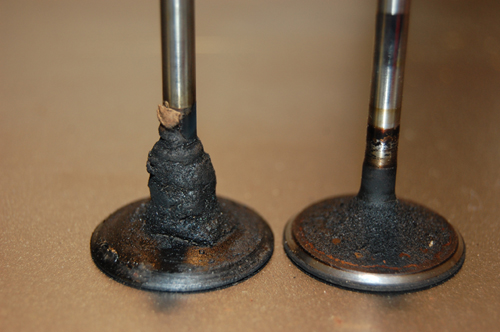
Most boaters already know that gasoline blended with ethanol can cause permanent damage to their gasoline engines. (For more information, read Ethanol and Boat Fuel: Stay Vigilant on Boat Trader's Waterblogged.) Not only can ethanol deteriorate rubber hoses and seals in gasoline engines, it also can separate from gasoline and form a corrosive goop at the bottom of your fuel tank. Suck that mess up into your engine and you’ve got an even bigger problem to contend with.
What the judge said
The lawsuit didn’t challenge the use of E15 fuel in boats or other gasoline-fueled vehicles. In fact, it is already illegal to use E15 in anything other than 2001 and newer passenger or flex-fuel vehicles. What it did challenge was EPA’s pump labeling, stating that it doesn’t go far enough to prevent consumers from accidentally using the wrong fuel. It also further stated that EPA has done nothing to ensure that E10 remains available to consumers in the future. The judge did not agree, stating that, "(the group) cannot show members have suffered or are suffering an injury in fact (due to sales of E15) that is traceable to the misfiling regulation and redressable by a favorable decision."

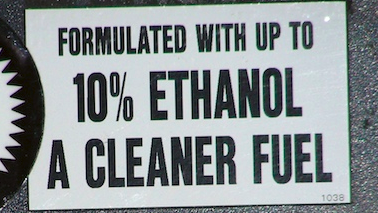
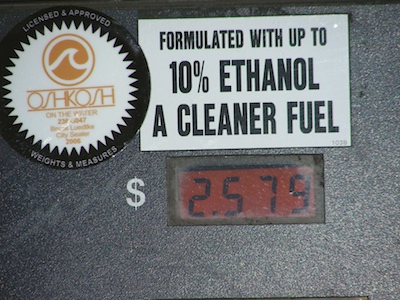
The lawsuit alleged, in part, that this pump warning label does not do enough to warn consumers about the dangers of misfueling with E15 gasoline.
The National Marine Manufacturers Association (NMMA) said in a press release, “This latest decision not only continues to allow the potentially dangerous E15 at gas pumps across the country, but continues to put consumers and retailers at extreme risk. The EPA’s rule does not make provisions to ensure that low ethanol fuels like E10 remain at the pump for consumers who may require them nor does it take any actionable steps towards educating consumers about how to choose the correct fuel for their needs.”
What can you do?
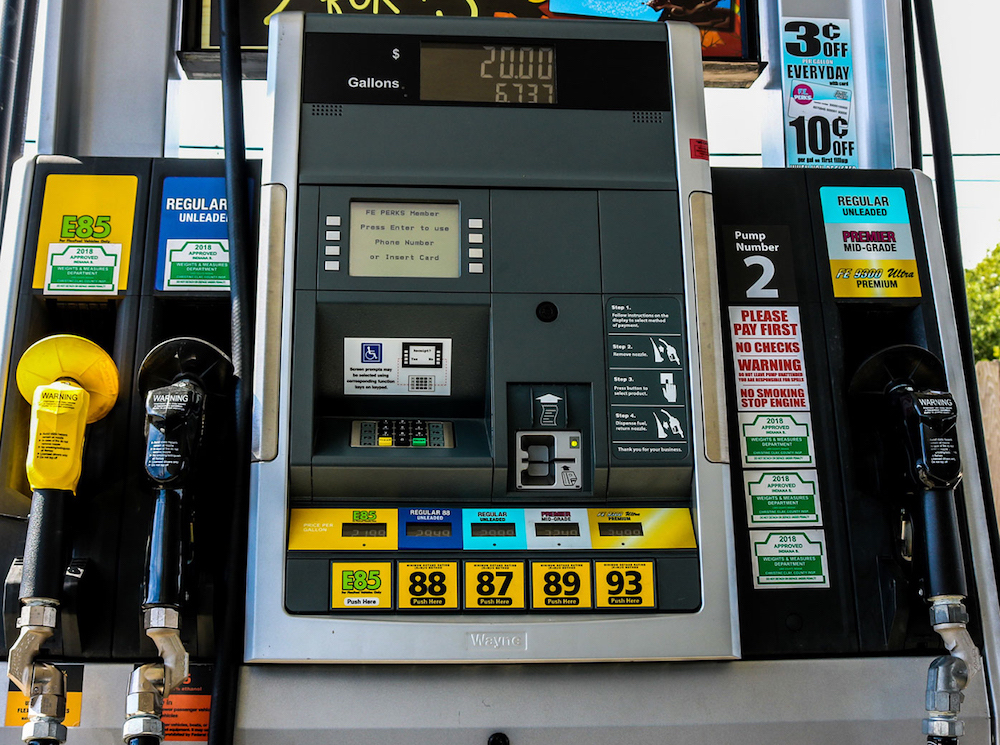
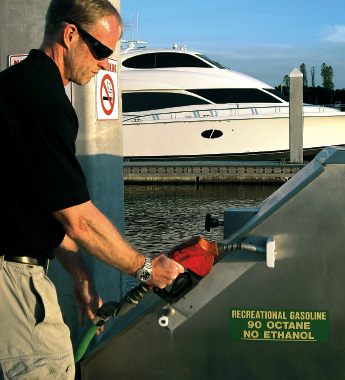
The best thing you can do as a consumer is to become educated about the fuel you purchase for use in your boat. Perhaps the easiest thing you can do is read up on the various gasoline/ethanol blends and their terminologies at the pump (E15, E10, E30, etc.). When you fuel up, read the pump labeling very carefully. If ethanol-free fuel is not offered, make sure you only pump E10 fuel, and use a stabilizing additive in your fuel tank.
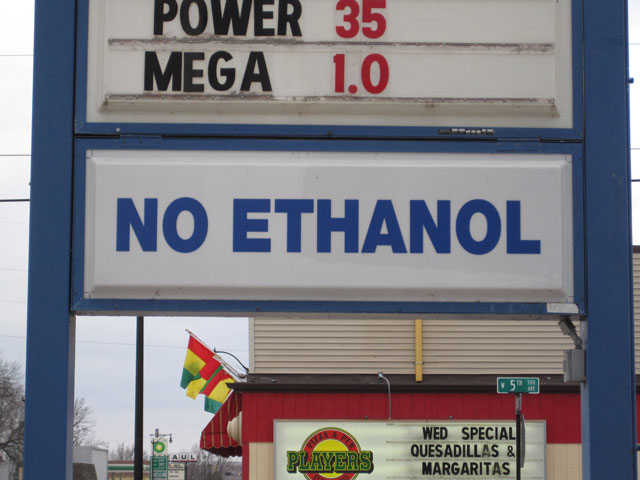
Many fuel docks and gas stations in areas with large boating populations offer ethanol-free fuel. It’s usually more expensive, but totally worth it in the long run.