Tuna Towers: Purpose and Evolution in Sportfishing
Tuna towers elevate visibility for spotting fish and navigating offshore waters.
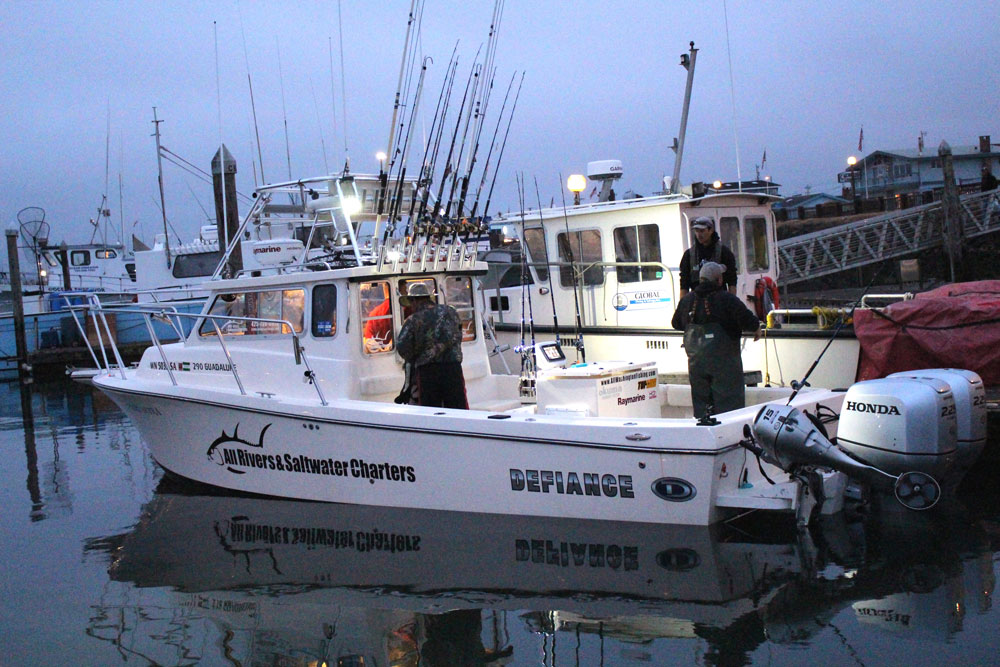
Tuna towers are elevated platforms installed on sportfishing boats. They provide an elevated position for spotting fish and navigating offshore waters.
Purpose of the Tuna Tower
The primary function of a tuna tower is to improve visibility. From heights of 15 to 30 feet above the water, observers can detect surface activity such as diving birds, baitfish schools, or fish breaking the surface at greater distances than from deck level. This is particularly useful in sight-fishing for pelagic species like tuna, marlin, and mahi-mahi.
Towers also assist in navigation by allowing users to identify floating debris, other vessels, or underwater hazards. Many include secondary helm stations with controls for steering, throttle, and electronics such as radar and GPS. This enables the captain to operate the vessel from the tower without returning to the main helm.
Towers add weight and wind resistance, which can reduce fuel efficiency and affect performance in rough conditions. They require regular maintenance due to exposure to saltwater. They are most beneficial in fisheries where visual detection of fish is a key tactic and less essential for bottom-fishing or trolling in deep water.
Historical Development of the Tuna Tower
The use of elevated observation points in fishing dates to the 1930s in the Bahamas, where large bluefin tuna were targeted in shallow waters near Bimini and Cat Cay. Early versions consisted of simple masts with platforms, similar to crow’s nests on sailing vessels.
After World War II, recreational boating increased, leading to the design of dedicated aluminum structures. These were initially built for tournament fishing and became known as tuna towers due to their association with tuna fisheries.

The world's largest sportfisher is the 171-foot yacht named "Special One", built by Royal Huisman, Image by VÉHICULE
By the 1970s, specialized manufacturers produced custom towers using corrosion-resistant materials. Designs evolved to include integrated helm controls, outrigger mounts, and rod storage. Modern towers may use lightweight composites and are available in different configurations: console towers for smaller boats, mid-height marlin towers, and full-height tuna towers on larger vessels.
The design has been adapted for various fishing regions worldwide, from the U.S. East Coast to Australia and the Pacific.
Article by VÉHICULE.