Offshore Powerboat Racing At The Miami Marine Stadium
Discover the adrenaline-fueled history of offshore powerboat racing at Miami Marine Stadium.
October 7, 2025
The Miami Marine Stadium is located on Virginia Key in Biscayne Bay. It opened in 1963. This venue was the first in the United States built specifically for powerboat racing. Additionally, it reflects Miami's role as a center for marine recreation. Today, restoration efforts aim to revive its use for events like offshore powerboat racing. This article covers its history, key races, cultural impact, decline, and future plans.
Design and Construction of the Miami Marine Stadium
The stadium's design began in the early 1960s. At that time, Miami experienced a tourism boom after World War II. The Matheson family donated land on Virginia Key for marine sports. In addition, the City of Miami wanted to attract visitors to the waterfront.
Hilario Candela, a 28-year-old Cuban architect, designed the structure. It features Brutalist concrete with a 326-foot cantilevered roof. This was the longest unsupported concrete span at the time. Moreover, slanted pillars resist strong winds from Biscayne Bay. The project cost $2 million. It included a dredged one-mile oval basin for races. Construction by the Millman Construction Company took just over a year. The stadium seats 6,566 people. Therefore, it provided shade and views for spectators.

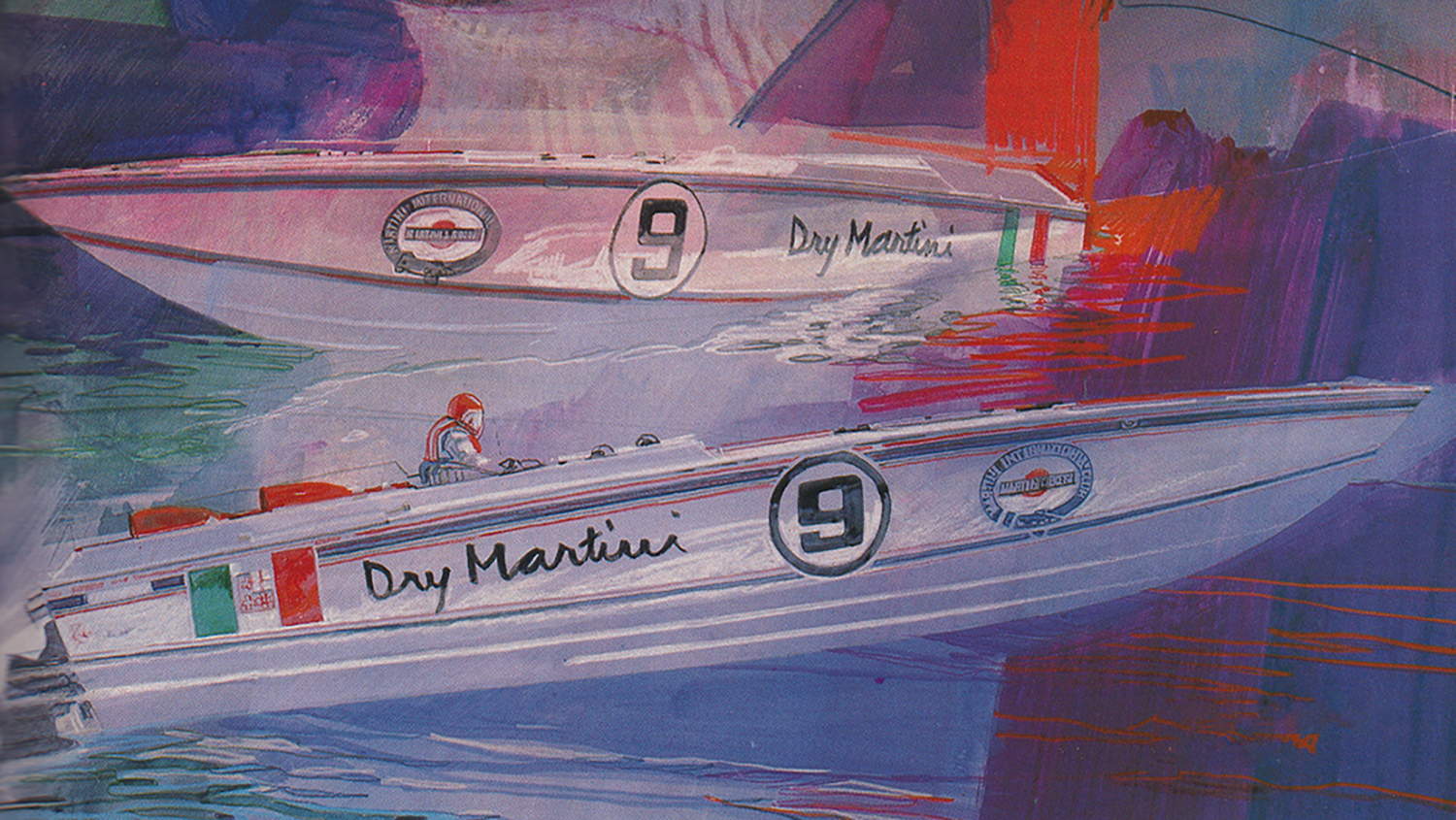
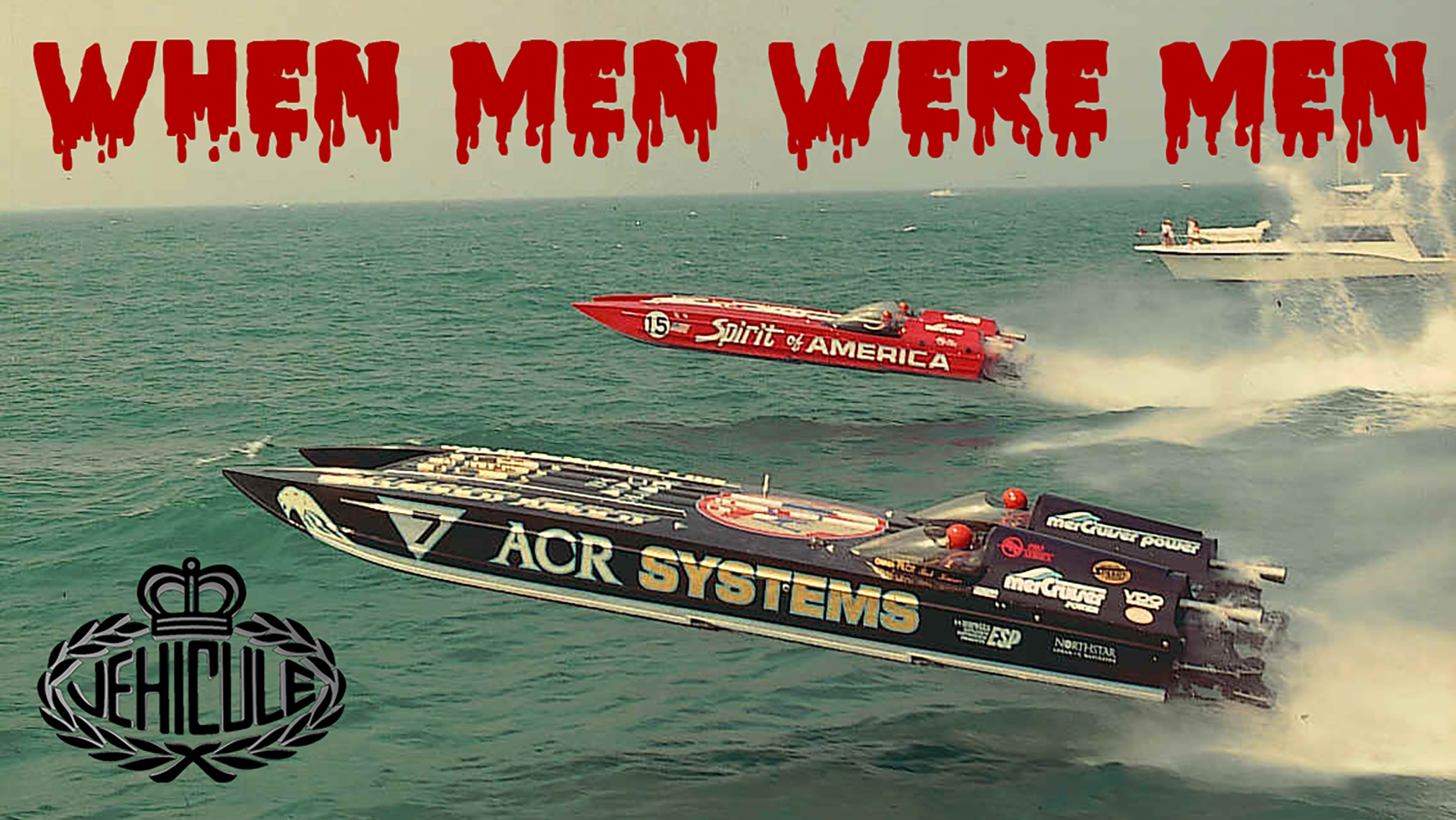
Image by VÉHICULE
Opening Event and Powerboat Races at the Miami Marine Stadium
The stadium opened on December 28, 1963. On that day, the Orange Bowl Regatta took place. Crowds of about 6,000 attended. Hydroplanes raced at high speeds. However, the event had a tragedy. Racer Jimmy Tapp died in a crash.
After the opening, races continued regularly. For instance, the Bill Muncey Invitational featured Unlimited Hydroplane competitors. Additionally, the ESPN All American Challenge Series included classes such as Inboard and Outboard. The Budweiser Hydroplane Regatta ran until 1990.

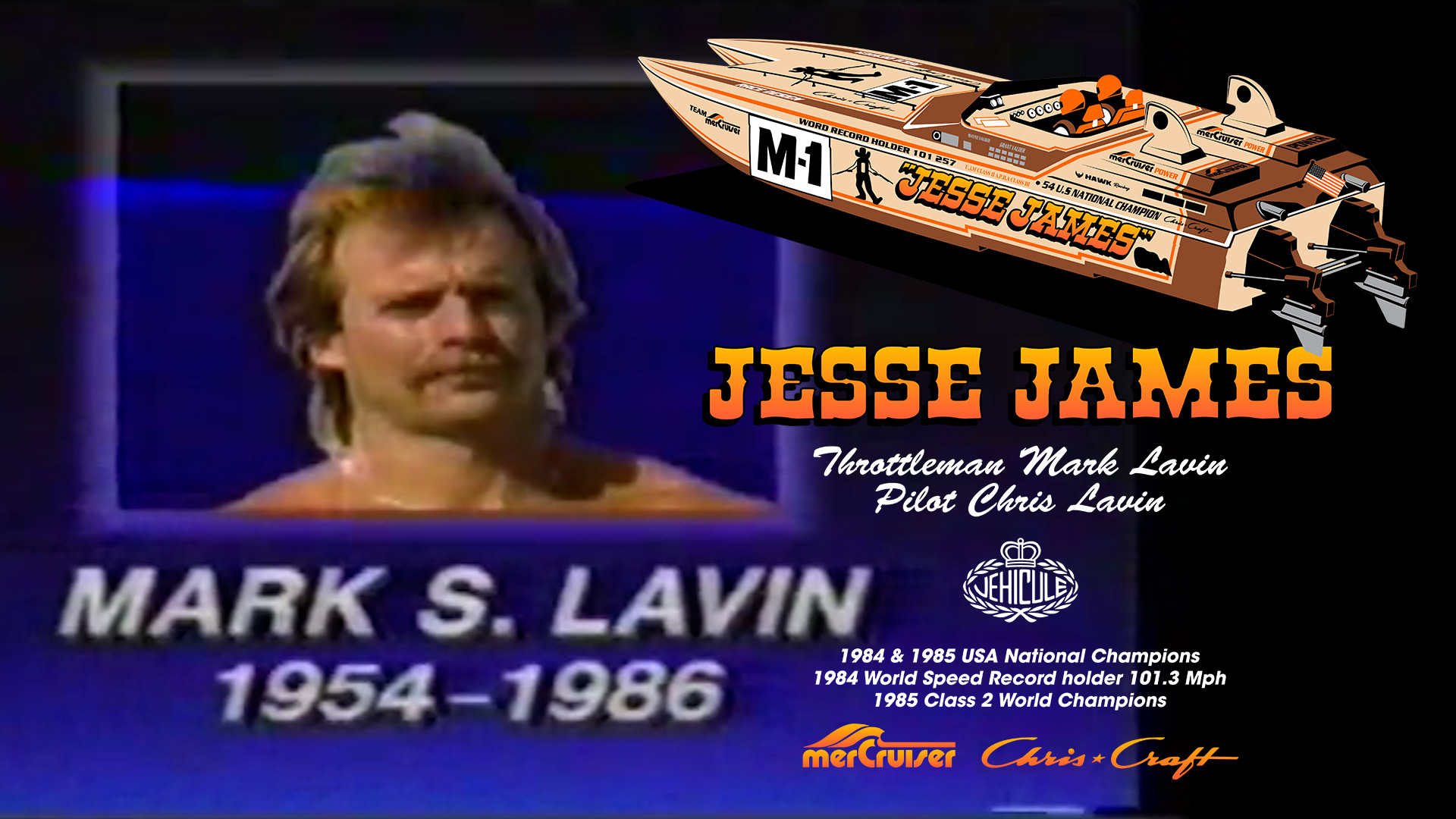
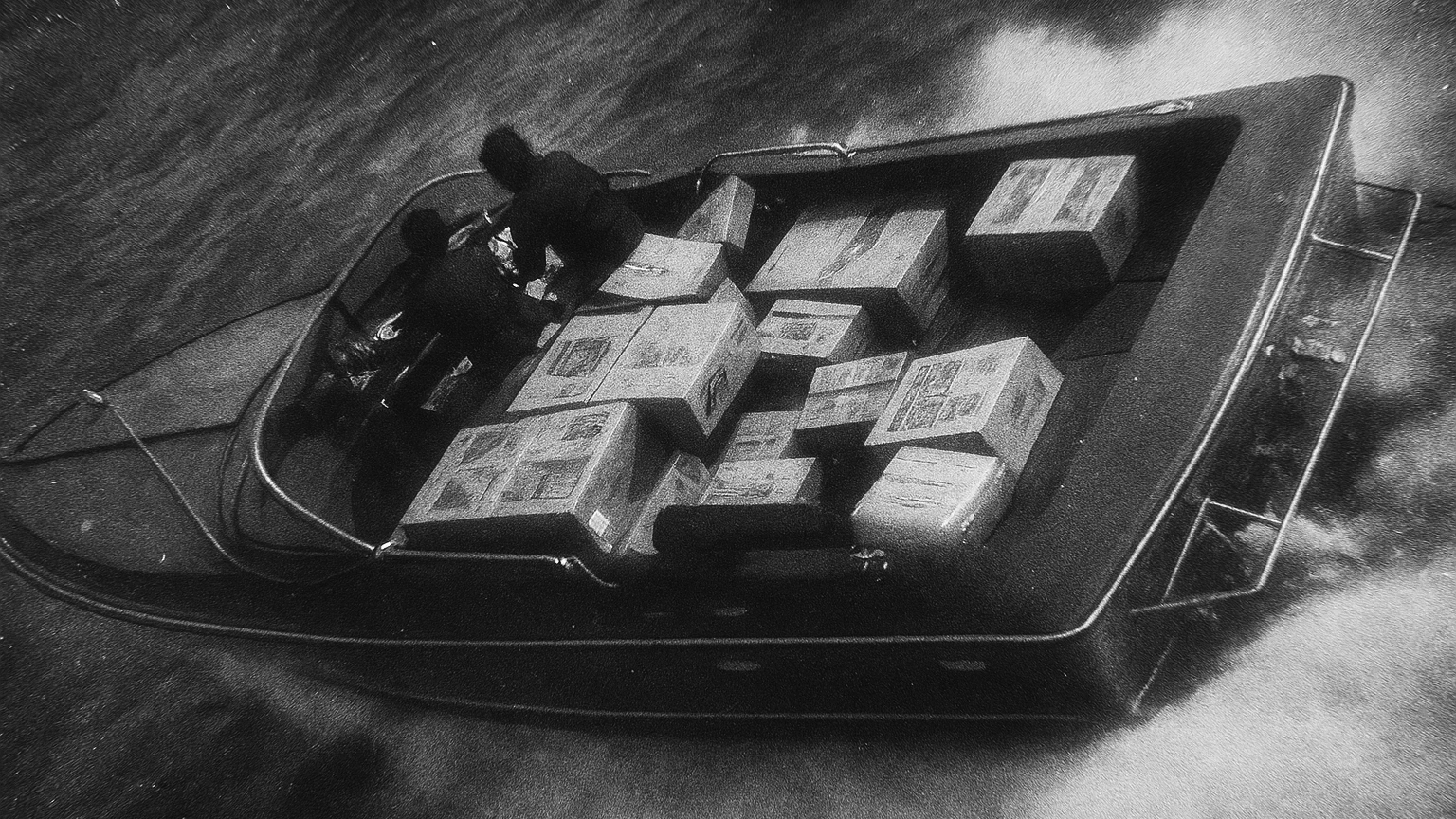
Image by VÉHICULE
Cultural and Additional Events at the Stadium
Offshore powerboat racing connected to broader activities at the stadium. Concerts featured artists like Jimmy Buffett, The Who, and Queen. In addition, the floating stage hosted performances by Ray Charles and the Beach Boys. The open-air design improved acoustics and events like Arthur Fiedler's 1965 Boston Pops combined music with races.
Political events also occurred. In 1972, President Richard Nixon held a rally. Sammy Davis Jr. introduced him onstage. Meanwhile, weekly Catholic Masses served Cuban exiles in the 1960s and 1970s. Easter Sunrise Services drew community members annually.
Boxing matches began in 1972. However, these did not replace the focus on powerboat racing. Overall, the stadium served as a hub for diverse gatherings.

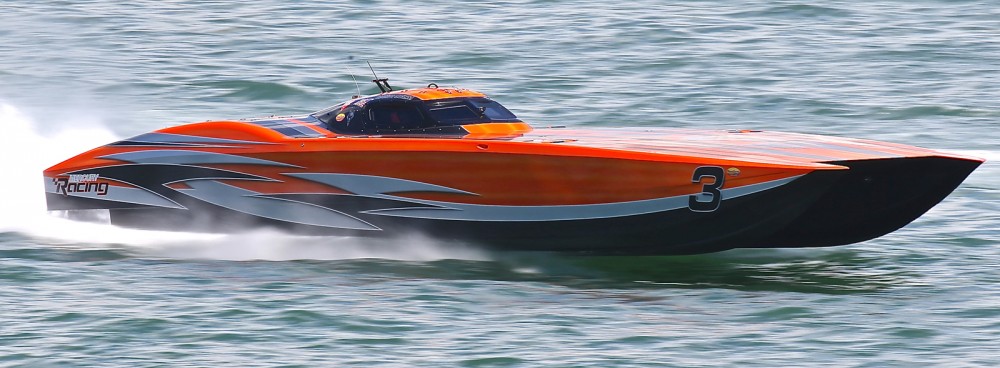
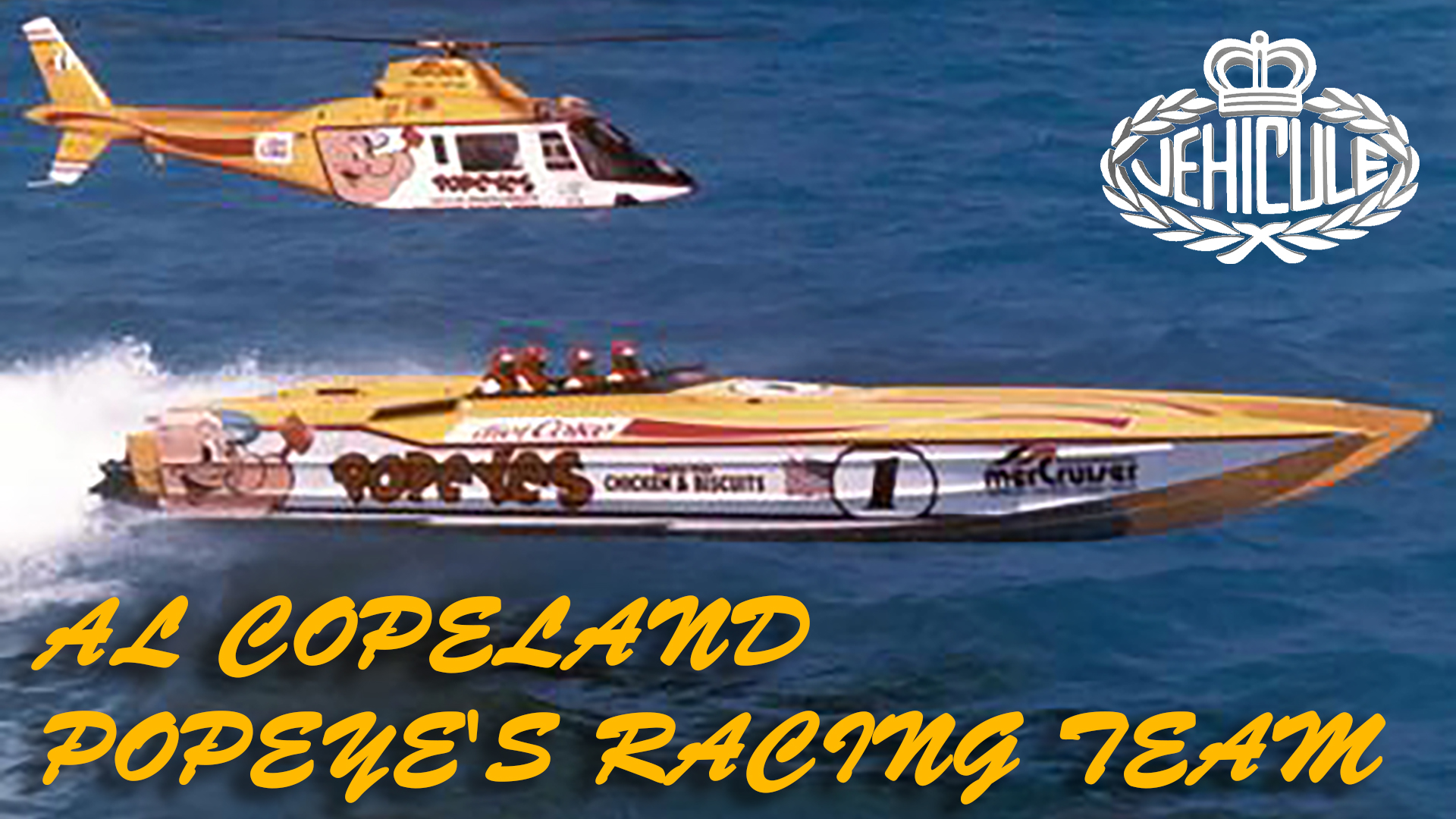
Image by VÉHICULE
Decline and Closure of the Stadium
By the late 1970s, attendance dropped. Safety concerns grew due to boat racing accidents. As a result, the sport lost popularity.
New venues competed for crowds. The last major race at the Miami Marine Stadium was the 1990 Budweiser Regatta. Then, in 1992, Hurricane Andrew struck. The city declared the stadium unsafe. However, later inspections showed neglect, not storm damage, as the main issue.
The city considered demolition. Therefore, the site closed and fell into disrepair. Graffiti appeared, and urban explorers visited.

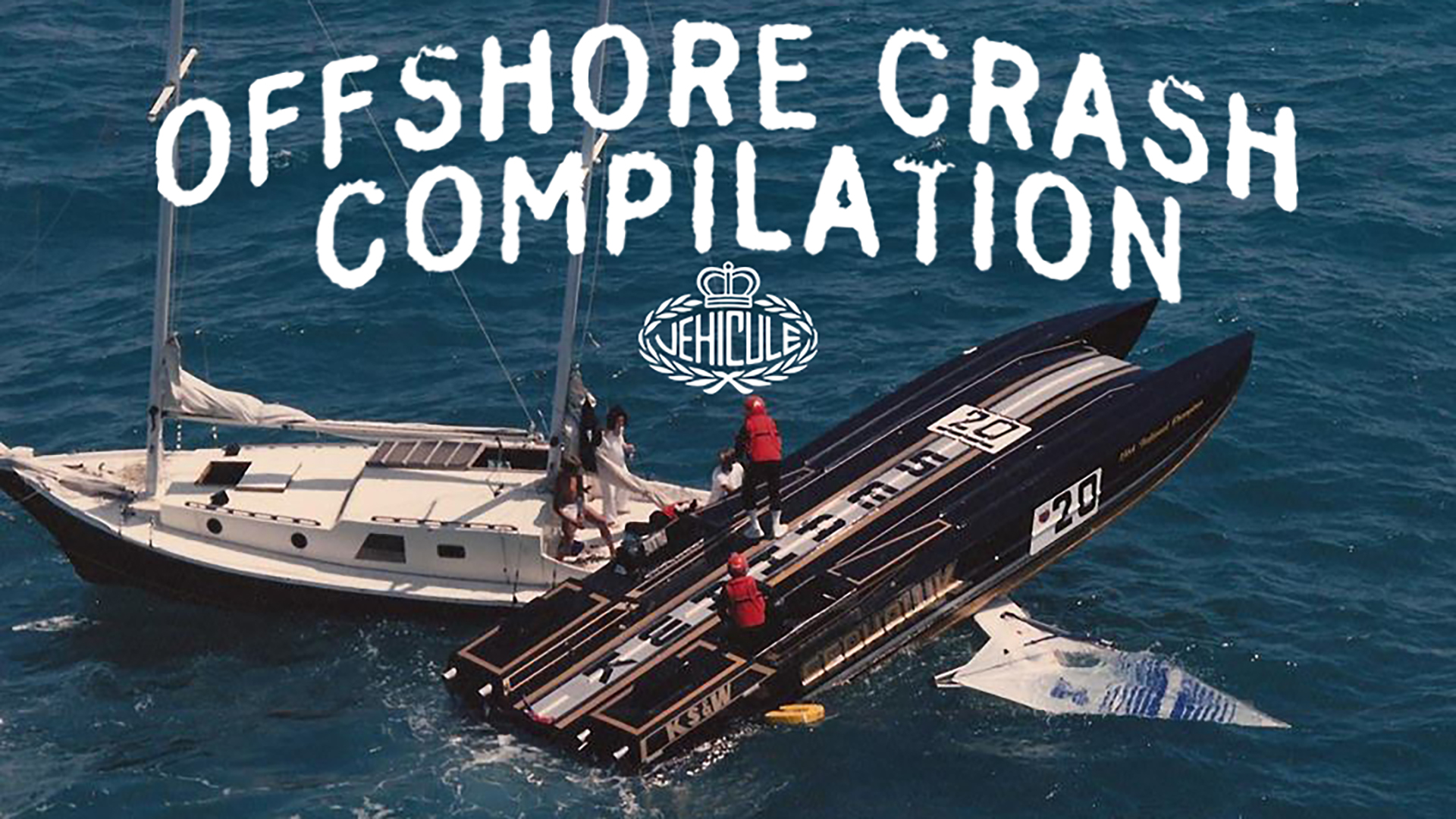
Image by VÉHICULE
Restoration Efforts of the Miami Marine Stadium
Preservation started in 2008. The Friends of Miami Marine Stadium group formed then. The stadium gained local historic status in 2008. The National Register of Historic Places listed it in 2018.
Funding came from various sources. Miami-Dade County pledged $3 million in 2010. However, costs rose over time.
Phase 1 repairs on pilings finished in 2023. A $2.4 million grant helped fund it. Yet, challenges remain. Political debates delay progress.
Supporters see economic benefits from revived races and events. Therefore, the future depends on balancing heritage and practicality. Offshore powerboat racing could return with modern safety features.