Kawasaki loans watercraft to wildlife researchers
For the past week, Florida wildlife biologists Karen Lamonte and Ron Rozar searched most of the coastline of Wakulla, Franklin, Gulf and Bay counties looking for nesting American oystercatchers. What
For the past week, Florida wildlife biologists Karen Lamonte and
Ron Rozar searched most of the coastline of Wakulla, Franklin,
Gulf and Bay counties looking for nesting American
oystercatchers. What would have taken more than a month in the
past was accomplished in record time thanks to the help of
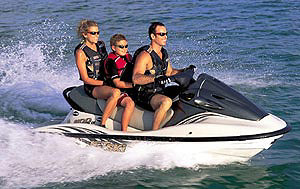
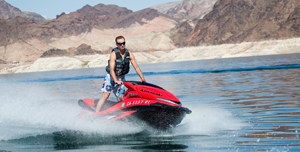
Kawasaki Motors Corp., U.S.A. and the loan of two brand new
personal watercraft.
Lamonte and Rozar are biologists in the Florida Fish and
Wildlife Conservation Commission's Bureau of Wildlife Diversity
Conservation. This April and May, they are part of a major effort to
count breeding pairs of American oystercatchers around the
coasts of Florida.
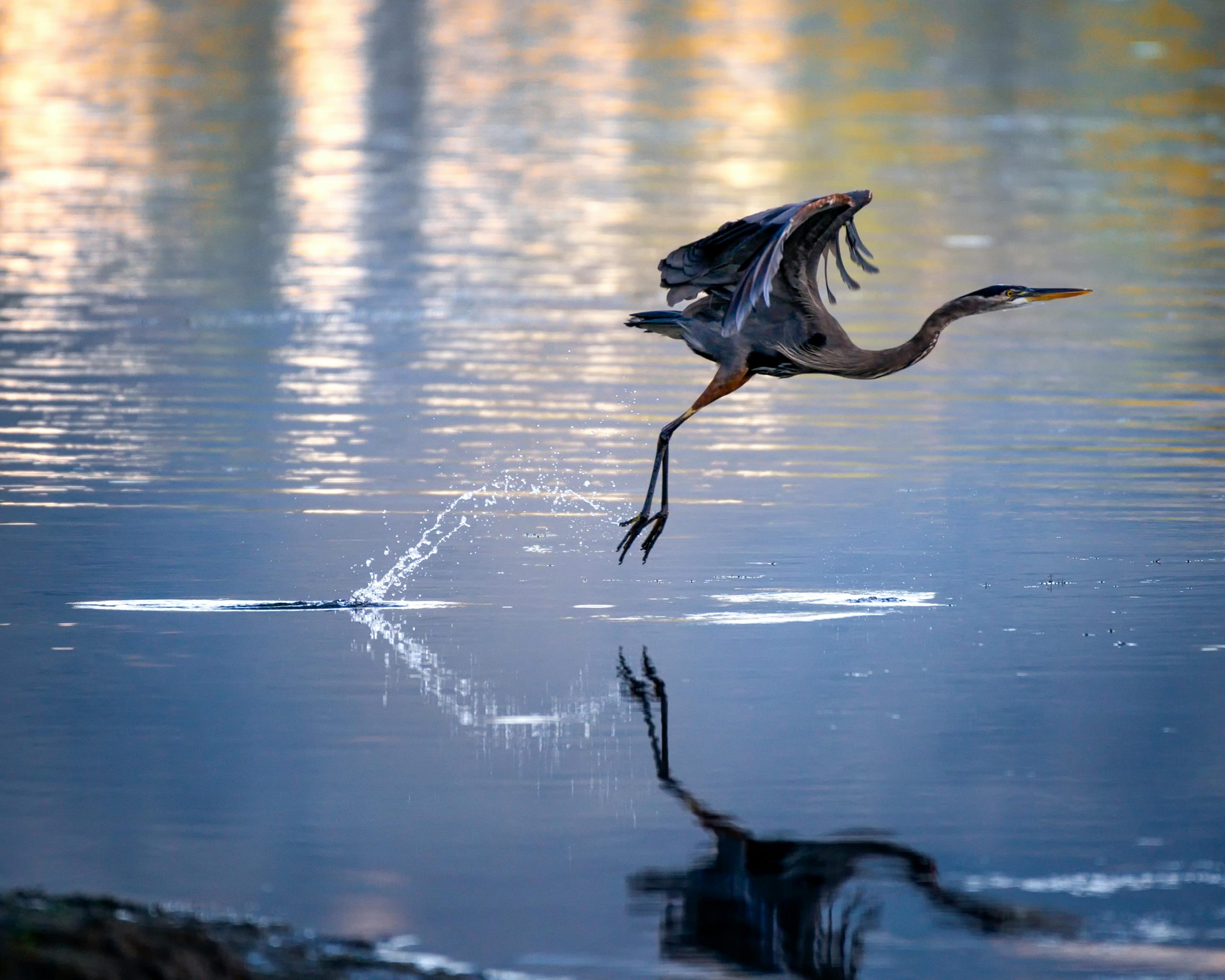
American oystercatchers are shorebirds that nest on
beaches, sandbars and oyster bars. They're classified as a
species of special concern in Florida due to their apparent low
numbers.
Prior to the use of the personal watercraft in Northwest Florida they
were used by FWC biologist Nancy Douglass and a co-worker to
search coastal areas of south and central Florida from Fort Myers
up to New Port Ritchie. Douglass, who works out of the FWC's
Lakeland regional office, approached Kawasaki and discovered
the company was enthusiastic from the beginning about helping in
the oystercatcher project.
"We knew they had a 'Public Safety Loan Program,'
and they said this was something they wanted to be involved in,"
Douglass said.
Kawasaki arranged for the personal watercraft to be delivered to
Douglass, and Fun Bike Center in Lakeland provided a trailer to
carry both personal watercraft. Douglass said the two machines are fuel-
efficient and shallow-draft vessels, which means they can be used
in many areas where outboard motors can't — and without damage
to sea grass beds.
"Our objective is to cover as much ground as possible in
the surveys and to count the birds prior to the end of the nesting
season (end of May) when they'll disperse," said Douglass. "These machines are
ideal for this type of work."
Lamonte said the personal watercraft are being transferred to other
FWC staffers who'll complete the search on Florida's east coast
over the next two weeks. The survey results are expected to be
tabulated within eight weeks.