Fishing the Famed Santee-Cooper
Bring the family or bring the boat to this South Carolina playground
If you're looking for relaxing, family-style fishing, a trip to the sprawling Santee-Cooper lake complex in south-central South Carolina is one you should make. The fishing is easy to do, inexpensive, and every member of the clan can get in on the action. And most important, it's almost a sure bet everyone will catch plenty of large, good-eating fish.
Frankly, few waters in America have the unique types of fishing Santee-Cooper offers. For that reason, it is one of my favorite fishing locations, a place I visit several times every year.
Depending on the season, anglers fishing Santee-Cooper consistently catch: blue catfish weighing up to 20 pounds; flathead catfish to more than 50 pounds; largemouth bass averaging 2- to 4-pounds and weighing up to 10 pounds; striped bass in the 6- to 20-pound range with 50-pounders recorded; and huge numbers of slab-sided white and black crappies weighing up to 5 pounds.
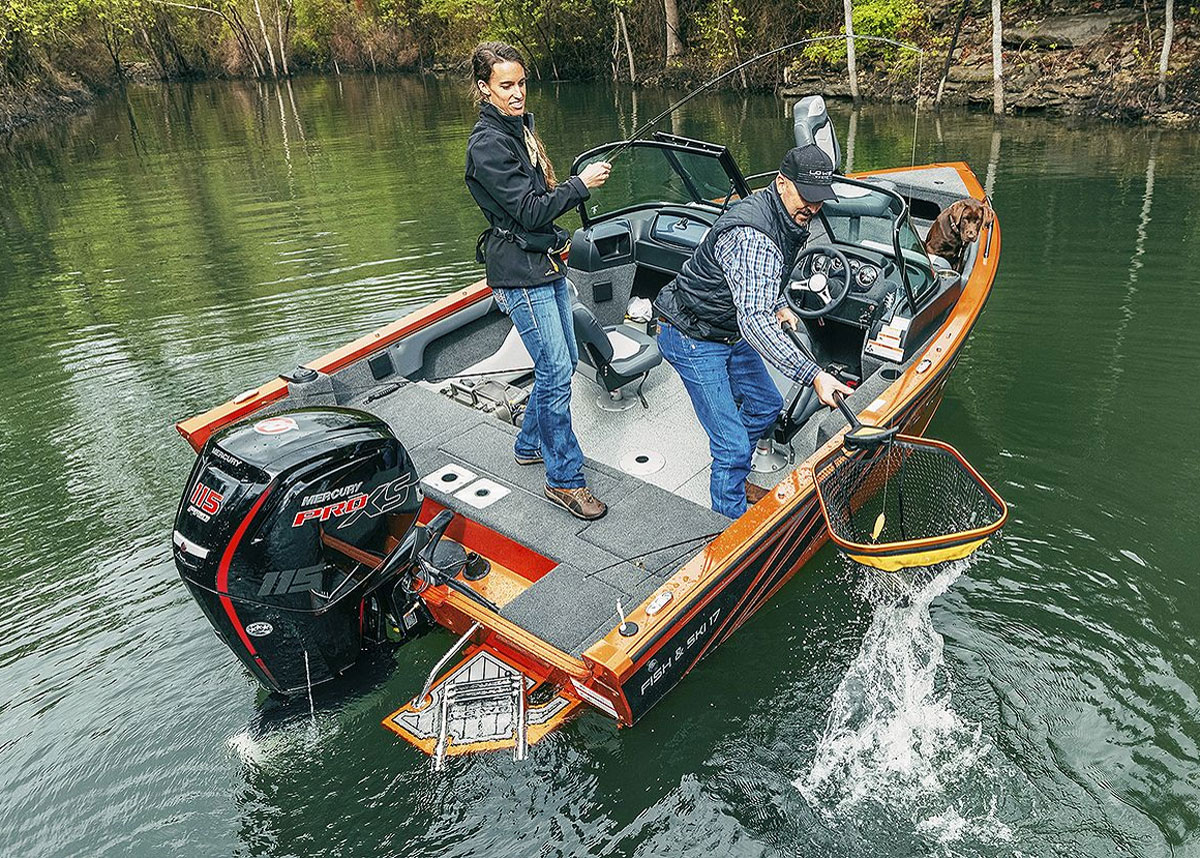
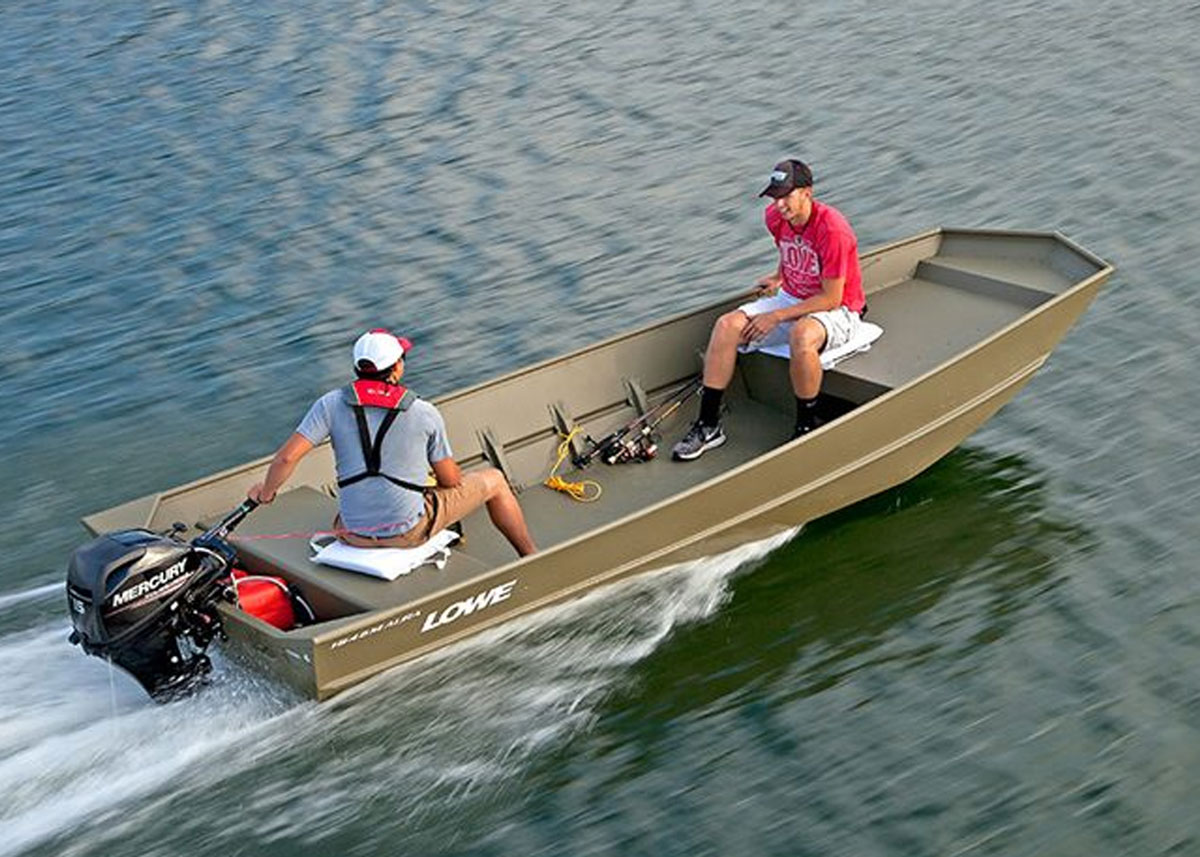
Another plus for fishing Santee-Cooper is that hard-charging anglers in bass boats can enjoy excellent fishing, but so can families of fishermen working from larger boats, including pontoon boats. Excellent fishing facilities and guides also are available for all fishing on the lakes.
The proper names of the two connecting South Carolina lakes are Marion and Moultrie. But because the Santee and Cooper rivers were dammed to form the lakes, the region has kept the names of the rivers, not the proper lake names.
It wasn't too many years ago that Santee-Cooper was best known as a largemouth black bass spot, since it consistently produces big fish in the 3- to 6-pound range, and 10-pounders are not uncommon. Santee-Cooper is where Tennesse Valley fisherman Roland Martin got his start guiding bass fishermen. Heavyweight largemouths still are caught from Santee-Cooper, especially during the spring spawning months of March, April and May.
Santee-Cooper also has a well-known reputation for giving up huge, landlocked striped bass. World record stripers weighing over 50-pounds have been caught from Santee, and 20-pounders are taken regularly. Outstanding striper fishing still can be had on the lakes, and it's available almost year-round. In summer, stripers are taken deep with live baits, mainly marine herring that move through lake dams from reservoir rivers that feed the Atlantic Ocean farther east. During September and October, excellent lineside fishing is available to anglers casting top-water plugs, jigs and large, shallow-running crankbaits. In winter, fishing remains good except during the very coldest days in January and February. Winter fishermen commonly chase diving sea gulls, which show where stripers herd baitfish and chase them to the surface, where they can be caught quickly with jigs and plugs.
Superb crappie fishing also is available at Santee, with the best of it found in spring, primarily March and April. Santee has the largest average size crappies I've seen anywhere. Tremendous numbers of 2-pounders are caught, and 3-pound fish don't raise many eyebrows. Santee is full of flooded brush and stumps, and in spring creeks are stiff with spawning fish. Naturally, good crappie fishermen working deep water in summer score on crappies, and fish again can be found suspended in brush and stumps during autumn. Santee has both white and black crappie species, and night fishing for them can be superb, especially for guides who know the lake well. Bluegills fishing is good, too, with the best of it available in spring and summer. Huge flats harbor bream and anglers using small spinners, natural baits and flies score on limit numbers of panfish.
Santee-Cooper's most recent claim to fishing fame is its catfishing, which peaks during September and October. In fact, many of the lake's best guides have more catfishing business than anything else because cats are extremely abundant, they're big, strong, and great in the frying pan.
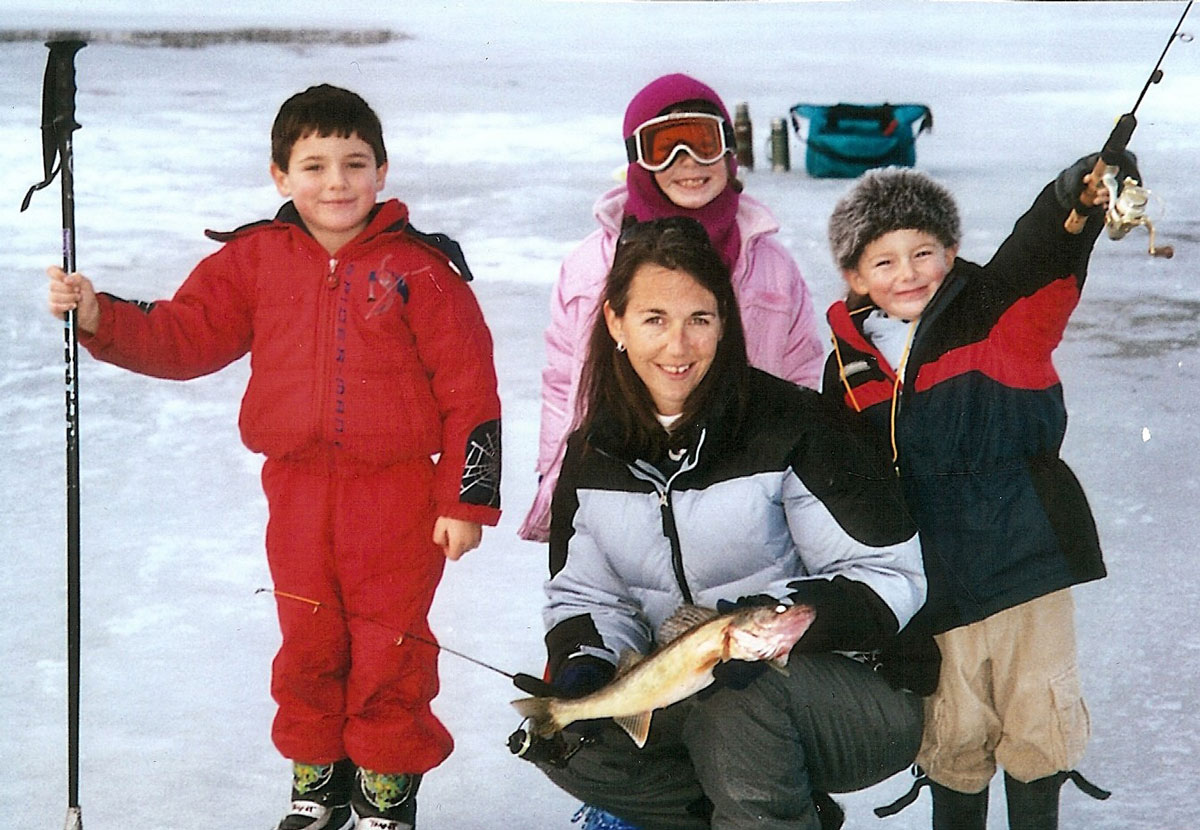
Many visiting anglers also want catfish because it's outstanding family-oriented fishing. Catfishing Santee-Cooper style is simple, relaxing and comfortable. An angler can bring his whole family aboard a well-rigged and safe guide boat, and everyone can catch fish, or simply choose to lounge in comfortable fishing boat chairs and watch the angling action from close quarters. Santee catfish are huge, some even of world-record proportions. And during almost every Santee catfishing trip, fish of at least 10-pounds are hooked. Catfishing is easy to do because boat rides to the fishing grounds are short, and action usually is quick to happen.
One windy and unusually cold autumn I arranged a day of family-style catfishing with a guide on Santee. Fishing conditions were not the best, but we went anyway. At daybreak that morning, my family and friends I met our guide for a go at Santee catfishing. The guide had all the bait and tackle, so we just showed up, bundled against the wind. We met him at an excellent marina at Cypress Point, a large, beautiful resort just outside the town of Manning.
"Gonna be tougher than usual with the cold and wind," said the guide as we eased away from the dock in his boat. "But we'll catch fish. Just yesterday I got 23 cats, including a 27-pounder. Naturally, we lost a lot of big fish, too."
We outboarded around a point of land on Lake Marion, and 20 minutes later the boat stopped and we anchored in a shallow cove. All around the boat were flooded cypress trees, with brush and snags poking above dark water here and there.
"The catfish are feeding now on small mussels around heavy cover in shallow water," said the guide as he cut fresh whole herring into chunk baits with a knife. "We're gonna lose a lot of fish because of the snags, but there's no way around that if we want to catch fish."
We quickly rigged about a dozen stout rods with a meaty chunk of herring, which is the best blue cat bait on the lake. Forty-pound test line was used, and terminal rigs were simply 3/0 Tru-Turn hooks with 2-foot leaders tied to barrel swivels. Above the barrel swivel was a 1 1/2-ounce egg sinker to keep the bait on bottom. We cast the 2-inch square herring baits with revolving-spool reels to scattered spots around the boat, then put each rod in a holder attached to the bow railing.
Then we waited.
The action was slow to start because of the cold front weather conditions. But it picked up fast as the sun rose and warmed the lake's shallows. We got our first strike from a blue cat about 10 a.m., and from that time on a fish hit every few minutes. Often several fish were hooked simultaneously, which caused a ruckus with our young fishing crew. We lost several dozen catfish to snags and stumps, but we managed to boat over 20 cats, the largest weighing 13 pounds. We hooked and lost several other cats I'm sure were much larger.
Blue catfish are not native to Santee-Cooper. About 15 years ago the state fisheries department swapped Santee-Cooper stripers to Arkansas for some of their blue cats. Biologists stocked them in Santee, and they have taken off in a big way. Commercial catfishermen working the lake have taken blues weighing over 80 pounds.
For numbers of blue cats, October through December is excellent, and some guides produce 100 fish or more per day for clients. Most weigh from 2- to 5-pounds. For bigger blue cats, December through May is prime, with 30-pounders possible.
September through November is prime time for massive flathead catfish on the lakes, especially on Marion. Flatheads are the behemoths of the Carolina catfish clan, with a 79-pounder recorded from Santee on rod and reel, and an 89-pounder taken by a trot-liner. One autumn day a few years ago a guide working out of Cypress Point Marina led a pair of anglers to 14 flathead catfish each weighing from 30 to 44 pounds. The total catch weighed well over 500 pounds!!
If that kind of heavyweight catfishing can't get you're fishing pulse thumping heavily, don't forget Santee-Cooper's largemouths, stripers, crappies and bluegills. It's a lake complex that offers year-round fishing for every angler, no matter his age, skill, or budget.
About the Trip
Combined, the connecting lakes of Marion and Moultrie—better known as Santee-Cooper—have about 150,000 acres of fishing water. That's a lot of elbow room for even anglers who hate to see another boat in a day's fishing. Moreover, the lakes have an abundance of cover, mid-lake structures, creeks, and plenty of places sheltered from wind. All this, plus great fishing for a wide variety of species make Santee-Cooper one of the great angling destinations in the South.
But Santee-Cooper can be a tough nut to crack for anglers unfamiliar with the lakes, if for no other reason than their sheer size. Moreover, the upper lake is a flooded forest, which makes boating much of it treacherous unless anglers know where to run.
Thus, visiting anglers are wise to hire the services of a good fishing guide during at least their first day or two on the lakes. It's money well spent, because you'll learn more in a day fishing with a man who grew up on Santee-Cooper than you can on your own in a decade of fishing there.
Equipment
While most guides have tackle available to clients, it's smart to bring your own gear. With the numerous species available, a wide variety of quality tackle makes sense.
For Largemouth bass: Plastic worms are deadly on Santee-Cooper largemouths, with Zeta Bait's "Gillraker" a personal favorite, in black, blue and red shad. Weedless rigged worms are good, too, especially when quick-set strikes must be made in Santee-Cooper's maze of flooded timber. Little Mac rigged worms, in black and blue work well because their spinning action when retrieved has a snake-like look.
In weeds and floating cover, weedless frog imitations produce plenty of bass. Snagproof's "Tournament Frog" is a proven big bass winner, especially the green, yellow and white versions.
For Crappies: Nothing works better than minnows, but one of the newest methods of catching crappies in Santee's flooded brush tops is vertical jigging with a slip-bobber float. A small slip-bobber float used with a short-shank-jig-and-minnow is deadly. Some experienced anglers have had outstanding success using the new European style floats made by companies like Thill. Their "Mini-Stealth" float, fished with a quality 1/32- to 1/8-ounce yellow, white or orange jig like Lindy's "Little Joe" or "Little Guppy" can be worked in a single spot, vertically, and is very productive. Night fishing for crappies is outstanding on Santee, like most prime "slab" waters. An excellent addition to a crappie bobber for night fishing is the "Beacon" by Rod-N-Bobb's, made in Eau Claire, Wis. The "Beacon" is a small light stick that attaches to a any bobber, and shows strikes at night. I won't fish at night with bait without one.
For Stripers: Jigs of many types work well, especially silver, white and yellow models in 1/4- to 1-ounce sizes, with plastic-tails attached. Well-made crankbaits also are great. I've had good success with Lindy's "Baitfish" on Santee stripers, especially in the River Chub and Blue-Silver Smelt colors. The medium-running number 7 lure is good.
My favorite striper lure on Santee is Buchertail's "Jointed DepthRaider," which is one of the toughest built plugs on the market and can reach depths of 15 feet during the retrieve. I've taken 20-pound linesides with this lure. For shallower fishing around flooded timber, the Buchertail "Shallow Raider" can't be beat. These lures in "Cisco-Shad" or "Blue Silver Flake" are dynamite and indestructible by even huge stripers.
For Catfish: Natural baits like herring, live or cut, is most effective. Be sure to use quality hooks, like Tru-Turn marine models in 1/0 to 5/0 sizes. Heavy-action rods are wise, and they also work well for stripers. My favorite these days is a one-piece, 7-footer by Lamiglas, Model XC706. This heavy graphite plug rod is designed for lines testing 15- to 30-pounds, and can handle lure/bait weights from 1/2- to 2-ounces. It's perfect for big catfish and linesides.
To Get There: Interstate 95, one of the major north-south highways in the east, crosses Santee-Cooper. For anglers flying in, Columbia is less than an hour's drive to the west of the lakes, Charleston is an hour to the east.
Expense Report: Top guides such as Don Drose, Gus Woodham and Caroll Tanner (all work out of Cypress Point Resort) charge two anglers $200 per day's fishing, with $30 extra for each additional angler up to six people. Motels and restaurants abound in the area, but Cypress Point Resort (Rt. 4, Box 801, Manning, S.C. 29102, phone (803) 478-2582) offers one of the best deals. The resort is right on the lake, with excellent facilities such as a boat launch ramp, dock, pool and kids fishing pond. They have one, two and three bedroom kitchenette units for rent, starting at $325 per week.
For More Information: For general information on the area, accommodations, guides and fishing, contact: Mary Shriner, Santee-Cooper Country, P.O. Drawer 40, Santee, S.C. 29142, phone (803) 854-2131. For accommodation and fishing guide information, contact: Doug or Shelley Rhodes, Cypress Point Resort, Rt. 4, Box 801, Manning, S.C. 29102, phone (803) 478-2582.